



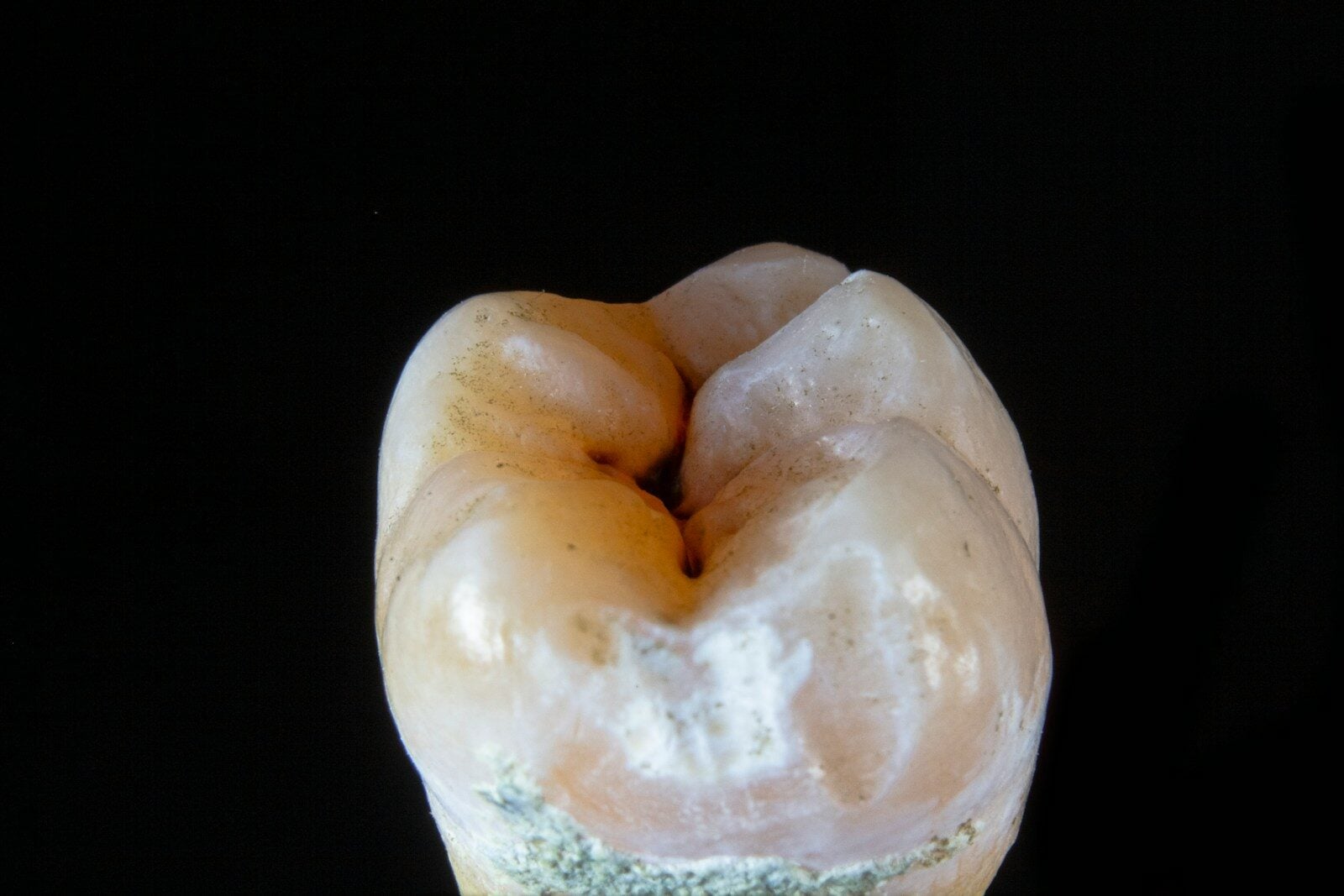
If you have been putting off a dental visit, you may be wondering: how long does it take to fill a cavity? The good news is that most cavity fillings take between 20 and 60 minutes. Therefore, you can often complete the entire procedure in a single lunch break.
The exact time depends on several factors, including the size of the cavity, the tooth’s location, and the filling material your dentist chooses. However, for the vast majority of patients, a cavity filling is a quick and straightforward experience. This guide walks you through everything you need to know before sitting in the dental chair.
How Long Does It Take to Fill a Cavity? The Basic Answer
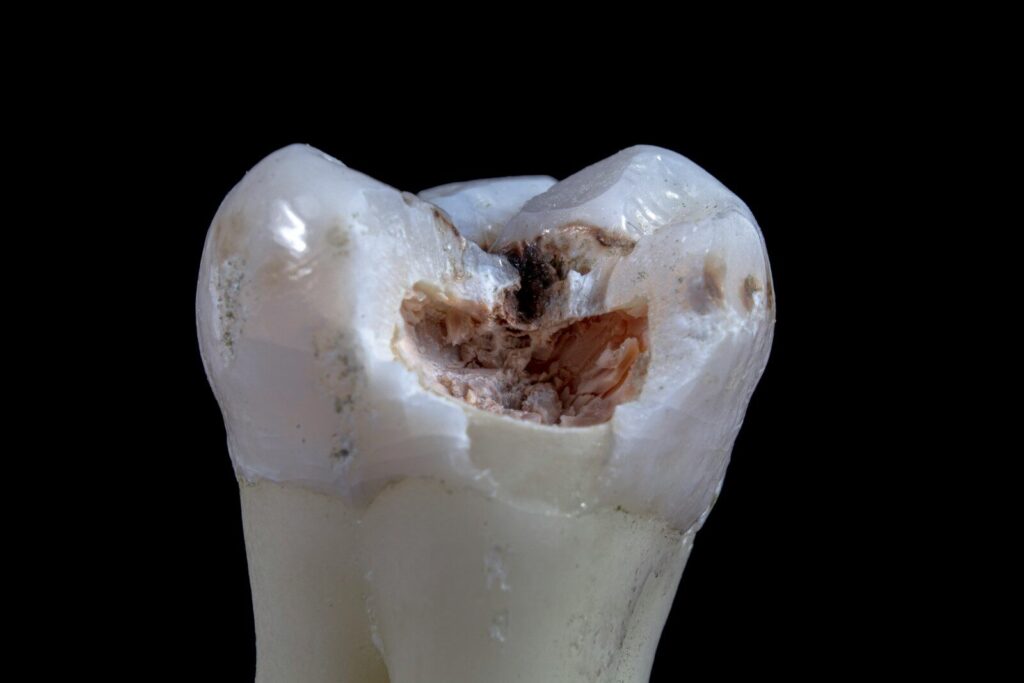
Most dentists complete a standard cavity filling in 20 to 60 minutes. Small, surface-level cavities typically take around 20 to 30 minutes. Larger or deeper cavities, however, may require closer to 45 to 60 minutes from start to finish.
When multiple cavities need treatment at the same visit, the time increases accordingly. For example, filling two cavities typically takes 40 to 60 minutes. Filling three cavities can take anywhere from 1 to 3 hours, depending on their size and complexity. Therefore, your dentist will usually discuss the timeline with you before beginning the procedure.
The location of the cavity also plays a significant role. Front teeth are easier to access, so fillings there tend to go faster. Molars and back teeth are harder to reach, so those cavities require more time and careful attention from your dentist.
Step-by-Step: What Happens During the Cavity Filling Procedure
Understanding each step helps reduce anxiety and sets realistic expectations. The cavity filling process follows a predictable sequence of stages. Additionally, knowing what comes next helps you stay calm throughout the appointment.
- Preparation and numbing (10 to 20 minutes):
- >Removing the decay (5 to 20 minutes): Your dentist uses a drill or laser to remove the decayed portion of the tooth. The time spent here depends directly on how large and deep the cavity is. A smaller cavity requires less drilling and therefore less time in this stage.
- >Cleaning the cavity (2 to 5 minutes): After removing the decay, your dentist thoroughly cleans the space to eliminate all bacteria and debris. This critical step prevents future infection and prepares the tooth for the filling material.
- >Applying the filling (10 to 30 minutes): Your dentist fills the cleaned cavity with the chosen material, such as composite resin, amalgam, or porcelain. Composite resin takes longer because it is applied in layers and hardened with UV light after each layer. Amalgam, in contrast, goes in faster but requires more time to fully set.
- >Shaping and polishing (5 to 10 minutes): Once the filling is in place, your dentist shapes and smooths it to match your natural tooth. This stage ensures your bite feels normal and comfortable.
- >Bite adjustment (5 to 10 minutes): Finally, your dentist checks your bite by asking you to bite down on special paper. Any high spots are adjusted so your teeth meet evenly and naturally.
Factors That Affect How Long It Takes to Fill a Cavity
No two cavities are exactly alike. Several variables directly influence the total chair time for your appointment. Furthermore, understanding these factors helps you prepare for your specific situation.
- Cavity size:
- >Cavity depth: Deep cavities that reach close to the tooth’s pulp demand extra care. Your dentist must work more slowly to avoid damaging the nerve, which adds time to the procedure.
- >Tooth location: Molars sit far back in the mouth and are harder to access with dental tools. Therefore, cavities in back teeth typically take longer than those in front teeth.
- >Number of surfaces involved: A single-surface cavity (affecting only the top of a tooth) takes about 20 minutes. A two-surface cavity (affecting the top and side) requires a special band to protect adjacent teeth and takes 30 to 40 minutes.
- >Filling material chosen: Different materials have different application methods and set times. Composite resin requires layering and light curing. Gold and porcelain fillings sometimes require a second visit entirely.
- >Patient cooperation and sensitivity: Patients with a strong gag reflex, dental anxiety, or high sensitivity may need additional time for comfort measures during the procedure.
Filling Material Types and How Long Each Takes
The material your dentist uses to fill the cavity significantly impacts both the procedure time and the setting time afterward. Additionally, each material carries its own advantages and lifespan. Here is a breakdown of the most common options:
- Composite resin:
- >Amalgam (silver): This traditional metal filling applies quickly and works especially well for back molars. It sets weakly in about 1 hour and reaches full strength within 24 hours. Therefore, you should avoid hard foods on that side until the next day. Amalgam lasts 10 to 15 years.
- >Glass ionomer: This material releases fluoride into the tooth, which adds a protective benefit. It sets in minutes but fully cures over 24 hours. It typically lasts around 5 years.
- >Porcelain or ceramic: These custom-made fillings offer excellent aesthetics and durability. However, they are created in a dental lab and usually require two separate visits. They can last 15 or more years with proper care.
- >Gold: Gold inlays are extremely durable and long-lasting (15 or more years). Like porcelain fillings, they require two visits because they are custom-fabricated outside the office.
How Long Does a Cavity Filling Take to Set?

The procedure time and the setting time are two different things entirely. Even after you leave the dental office, the filling continues to harden inside your mouth. Therefore, following post-procedure care instructions is essential for protecting your new filling.
Composite resin and glass ionomer fillings are light-cured during the procedure itself. As a result, they are effectively set by the time you leave the office. However, your dentist may still recommend avoiding very hot or hard foods for a few hours to be safe.
Amalgam fillings, in contrast, take approximately 1 hour to achieve an initial set and up to 24 hours to harden completely. During this period, you should avoid chewing hard or sticky foods on the filled tooth. Additionally, biting too hard before the amalgam fully sets can distort its shape and compromise the filling’s effectiveness.
What to Expect After the Procedure
Once the filling is complete, most patients leave the office feeling only mild numbness from the anesthetic. This numbness typically fades within 1 to 3 hours, depending on how much anesthetic your dentist used. Furthermore, you should avoid eating on the numb side to prevent accidentally biting your cheek or tongue.
Some sensitivity to hot, cold, or pressure is completely normal after a filling. This sensitivity usually resolves within a few days to a couple of weeks. However, if pain persists or worsens after two weeks, contact your dentist as this may signal a bite alignment issue or a deeper problem with the tooth.
Here are some helpful post-filling care tips:
- >Avoid very hard, crunchy, or sticky foods for the first 24 hours
- >Take over-the-counter pain relief if you experience mild discomfort after the anesthetic wears off
- >Brush gently around the filled tooth for the first few days
- >Return to your dentist promptly if you notice sharp edges, unusual pain, or a change in your bite
Tips to Avoid Needing a Cavity Filled in the Future
Prevention is always faster, cheaper, and more comfortable than treatment. Establishing consistent oral hygiene habits dramatically reduces your risk of developing cavities. Additionally, regular dental visits catch early-stage decay before it requires filling.
- Brush twice daily:
- >Floss every day: Flossing removes plaque and food particles from between teeth, where your toothbrush simply cannot reach. This significantly reduces cavity formation in tight spaces between teeth.
- >Limit sugary and acidic foods: Sugar feeds the bacteria that produce tooth-eroding acids. Therefore, reducing your intake of sweets, sodas, and acidic drinks protects your enamel over time.
- >Drink fluoridated water: Fluoride strengthens enamel and makes it more resistant to acid attacks. Drinking tap water in many cities provides this benefit passively throughout the day.
- >Schedule cleanings every 6 months: Professional cleanings remove tartar that home brushing cannot eliminate. Furthermore, routine exams allow your dentist to detect and address small cavities before they require lengthy or costly treatment.
Knowing how long it takes to fill a cavity removes much of the fear surrounding the procedure. Most fillings wrap up in under an hour, involve minimal discomfort, and deliver lasting protection for your tooth. Taking action early means shorter appointments, simpler procedures, and better long-term oral health for years to come.
