



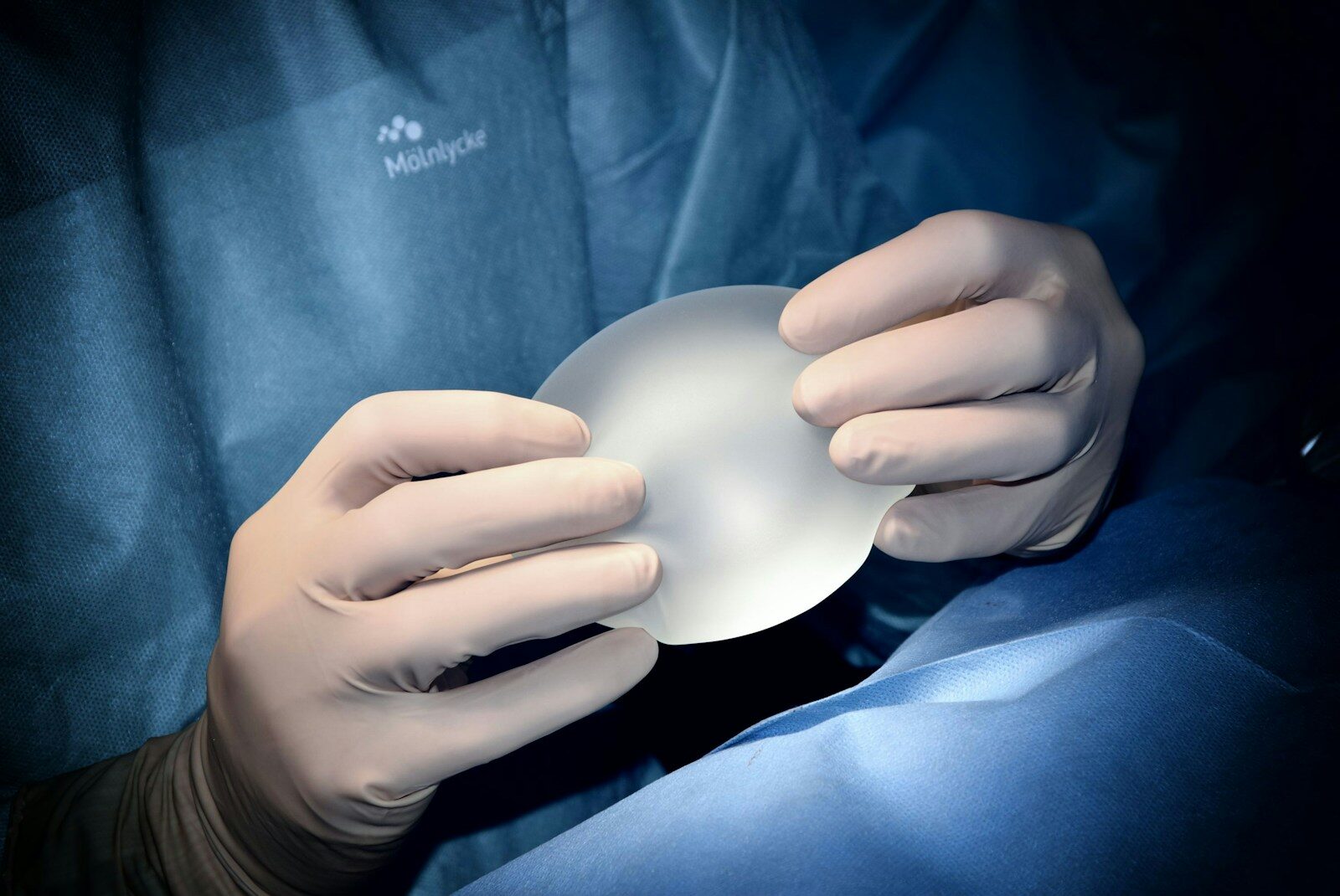
If you are considering cosmetic surgery, one of your first questions is likely: how much are breast implants? In the United States, the total cost of breast augmentation typically ranges from $6,000 to $12,000. However, that number shifts considerably depending on your surgeon, location, implant type, and several other variables covered in this guide.
Breast augmentation remains one of the most performed cosmetic surgeries in the world. Understanding the full cost structure before you commit helps you budget accurately, ask the right questions, and avoid unpleasant financial surprises after the procedure.
How Much Are Breast Implants? The Cost Breakdown
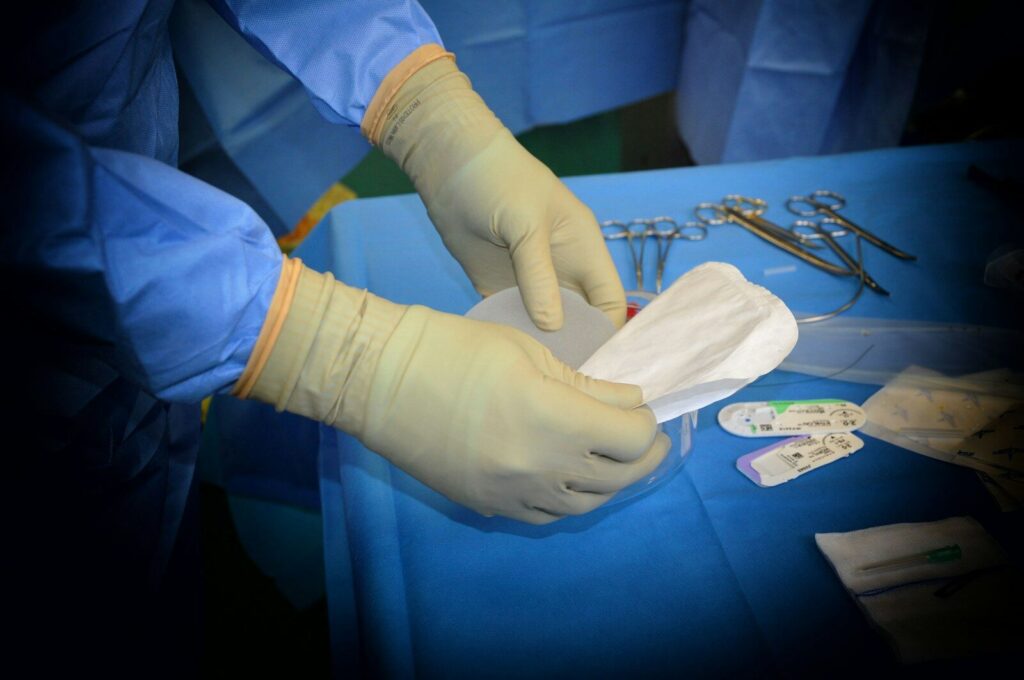
The total price of breast implants is not a single flat fee. It is a combination of several individual charges that add up to your final out-of-pocket cost. Therefore, always ask your surgeon for an itemized quote before signing any agreements.
Here is what a typical breast augmentation cost includes:
- Surgeon’s fee ($1,500 to $5,000): This is the largest individual cost component. Highly experienced, board-certified plastic surgeons charge more, but they also deliver better aesthetic results and carry lower complication rates.
- Anesthesia fee ($1,000 to $1,500): General anesthesia is administered by a licensed anesthesiologist during the procedure. This fee covers their professional services and monitoring throughout the surgery.
- Operating room or facility fee ($800 to $2,000): Accredited surgical centers and hospitals charge for the use of their facilities, sterile equipment, nursing staff, and post-operative recovery rooms.
- Implant cost ($1,000 to $2,000): The implants themselves represent a significant portion of the bill. Saline implants cost $800 to $1,200 per pair, while silicone gel and gummy bear implants range from $1,000 to $2,000 per pair.
- Pre-operative tests ($200 to $500): Blood work, mammograms, and medical evaluations are often required before surgery. Some clinics include these in the package; others bill separately.
- Post-operative garments and medications ($100 to $300): Surgical bras, compression garments, antibiotics, and pain management medications are standard requirements after the procedure.
- Follow-up visits ($0 to $500): Reputable surgeons include follow-up appointments in their fee. However, some clinics charge separately for post-surgical visits, especially if additional care is needed during healing.
Breast Implant Types and Their Effect on Total Cost
The type of implant you choose directly affects both the surgical cost and the long-term results you can expect. Each option carries a different price point, feel, and longevity. Your surgeon will recommend the best option based on your body type, existing tissue, and aesthetic goals.
- Saline implants ($800 to $1,200 per pair): These implants are filled with sterile salt water after insertion. They tend to be the most affordable option and are inserted through slightly smaller incisions. However, they feel less natural than silicone options, particularly in patients with minimal breast tissue.
- Silicone gel implants ($1,000 to $1,500 per pair): This is the most popular implant type worldwide. Silicone implants feel closer to natural breast tissue and provide excellent results across a wide range of body types. Furthermore, they are pre-filled, so no in-procedure filling adjustment is required.
- Gummy bear implants ($1,500 to $2,000 per pair): These form-stable, highly cohesive silicone implants maintain their shape even if the outer shell breaks. They offer the most natural contour but cost more and require a slightly longer incision. Additionally, they are a popular choice for patients seeking a very specific, sculpted shape.
- Fat transfer augmentation ($5,000 to $10,000): This method uses liposuction to harvest fat from another part of your body and injects it into the breasts. It avoids implants entirely but costs more due to the added liposuction procedure. Results are also more modest in terms of size increase compared to implants.
Key Factors That Affect the Price of Breast Implants
Two people can walk into different clinics for the same procedure and receive quotes that differ by thousands of dollars. Several factors drive this variation, and understanding them helps you evaluate quotes fairly and make a confident decision.
- Geographic location: Surgeons in major metropolitan areas like New York, Los Angeles, or Miami typically charge significantly more than those in smaller cities. Cost of living, clinic overhead, and local demand all influence surgeon fees and facility charges.
- Surgeon’s experience and credentials: A board-certified plastic surgeon with 15 years of specialization commands higher fees than a general surgeon offering cosmetic procedures. Paying for expertise reduces your risk of complications and revision surgery, which cost even more in the long run.
- Implant placement technique: Placing implants under the chest muscle (submuscular) requires more surgical precision and time than placing them above the muscle (subglandular). As a result, submuscular placement often carries a higher surgical fee.
- Incision type: Inframammary incisions (in the breast fold) are the most common and straightforward. Periareolar (around the nipple) and transaxillary (armpit) approaches require more technical skill and therefore cost more.
- Combined procedures: Adding a breast lift to your augmentation increases total cost by $3,000 to $5,000. Furthermore, combining multiple procedures in one session adds anesthesia and facility time, which raises the overall bill.
- Revision surgery: If you are correcting a previous augmentation due to complications like capsular contracture, implant rupture, or asymmetry, revision surgeries are often more complex and therefore more expensive than the original procedure.
Does Insurance Cover Breast Implants?
In most cases, health insurance does not cover breast augmentation for cosmetic purposes. Insurers classify elective cosmetic surgery as a personal choice rather than a medical necessity. Therefore, the vast majority of patients pay the full cost out of pocket.
There are important exceptions, however. Breast reconstruction after a mastectomy due to cancer is covered by most insurance plans under the Women’s Health and Cancer Rights Act in the United States. Similarly, implants used to correct significant congenital deformities or asymmetry that causes functional problems may qualify for partial coverage. Additionally, some reconstructive cases involving trauma or injury may receive insurance consideration.
Always call your insurance provider before assuming coverage or exclusion. A written pre-authorization confirmation protects you from billing disputes after the procedure is complete.
Financing Options for Breast Implants

Because most patients pay out of pocket, many clinics offer financing plans to make the cost more manageable. Several well-established options exist to help you spread payments over time without delaying your surgery date.
- CareCredit: This healthcare-specific credit card offers deferred-interest or low-interest financing for cosmetic procedures. Many plastic surgery practices accept CareCredit directly as a payment method.
- Alphaeon Credit: Similar to CareCredit, Alphaeon offers installment plans tailored specifically for aesthetic medical procedures, including breast augmentation.
- In-house payment plans: Some clinics offer their own structured payment plans, allowing you to pay in monthly installments leading up to or after your surgery date. Terms vary widely, so always read the fine print carefully.
- Personal loans: A personal loan from a bank or credit union often carries lower interest rates than medical credit cards. Therefore, comparing loan options before choosing financing can save you significant money over the repayment period.
When evaluating financing, focus on the annual percentage rate (APR) and total repayment amount rather than just the monthly payment. A low monthly payment stretched over a long term often costs far more in interest than a slightly higher monthly payment over a shorter period.
Medical Tourism: Is It Worth the Savings?
A growing number of patients travel internationally to access breast augmentation at significantly lower prices. Countries like Turkey, Mexico, Thailand, and India offer procedures at 40 to 70 percent less than US prices. For example, total breast augmentation costs in India range from approximately $2,700 to $3,500, compared to $6,000 to $12,000 in the United States.
However, medical tourism carries real risks that must be carefully weighed against the savings. Follow-up care becomes difficult once you return home, and managing complications from abroad is both stressful and expensive. Furthermore, legal recourse in the event of malpractice is significantly more limited in foreign countries.
If you consider medical tourism, research the surgeon’s credentials thoroughly, verify that the facility holds international accreditation, and ensure you have a qualified local physician available to handle post-operative care after returning home.
Long-Term Costs to Plan For
The upfront price of breast implants is not your only financial consideration. Implants are not permanent devices, and the body changes over time. Therefore, every patient should factor in potential long-term costs when budgeting for this procedure.
- Implant replacement: Most implants last 10 to 20 years before requiring replacement. A revision surgery carries its own surgeon, anesthesia, and facility fees, often comparable to the original procedure cost.
- Capsular contracture treatment: This complication, where scar tissue hardens around the implant, affects a small percentage of patients. Correction requires additional surgery, which typically costs $3,000 to $8,000.
- Routine monitoring: The FDA recommends MRI scans every 2 to 3 years to check for silent silicone implant ruptures. Each MRI scan costs approximately $1,000 to $2,000 without insurance coverage.
- Future breast lifts: Pregnancy, breastfeeding, weight changes, and natural aging affect breast shape over time. Many women choose a breast lift years after their original augmentation, adding to the overall lifetime cost.
Knowing how much breast implants truly cost means looking beyond the initial price tag. A full picture includes implant type, surgeon credentials, facility quality, financing terms, and long-term maintenance expenses. Choosing a board-certified plastic surgeon and an accredited facility from the start gives you the safest outcome and the best value for your investment over the years ahead.
