



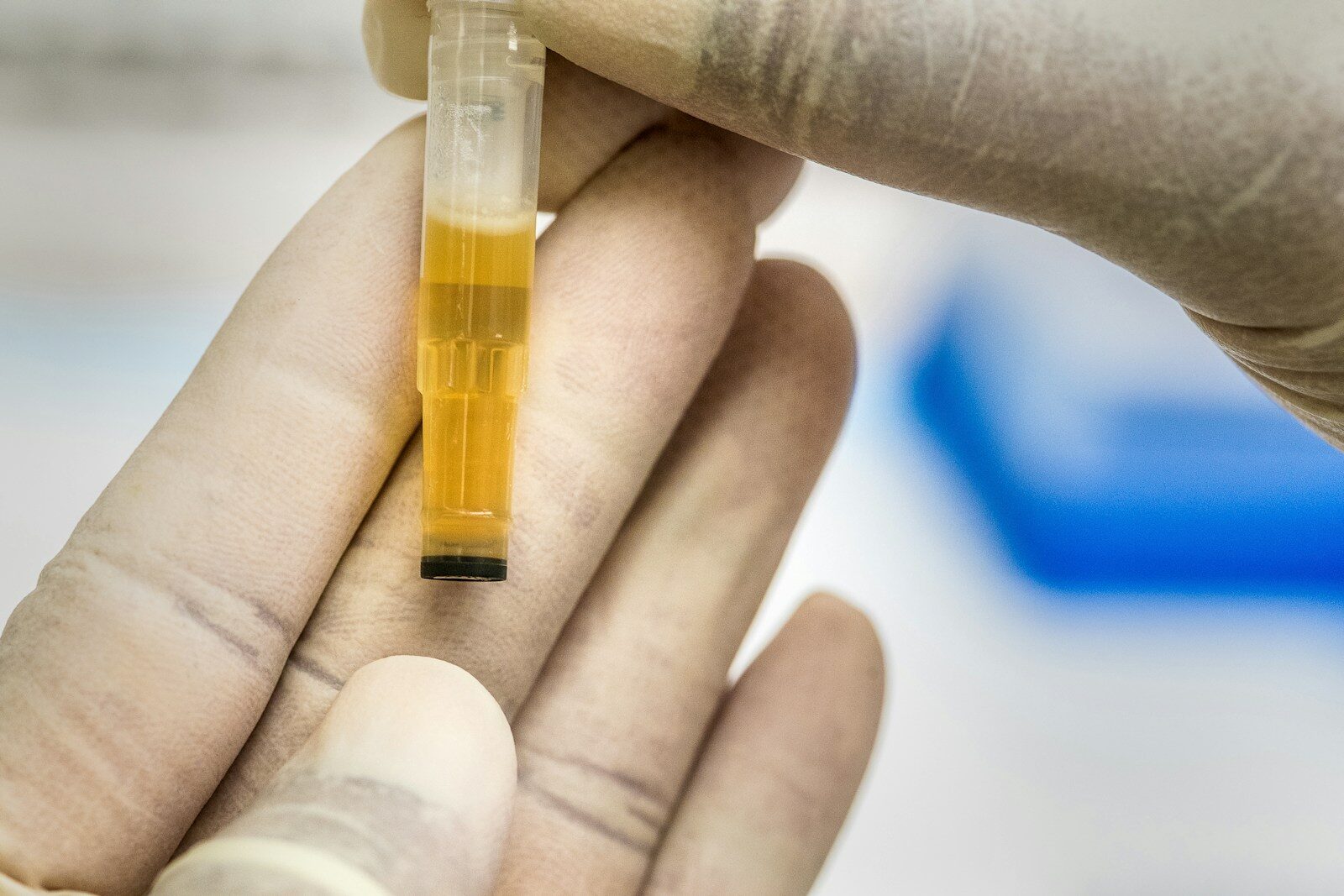
If you are facing an upcoming drug test or managing a prescription, you may be asking: how long does oxycodone stay in urine? For most people, oxycodone remains detectable in urine for 3 to 4 days after the last dose. However, several personal and drug-related factors can shorten or extend this window significantly.
Oxycodone is a powerful prescription opioid used to manage moderate to severe pain. It is sold under brand names like OxyContin and Percocet. Understanding its detection timeline helps patients, healthcare providers, and individuals preparing for drug screenings make informed decisions.
How Long Does Oxycodone Stay in Urine?
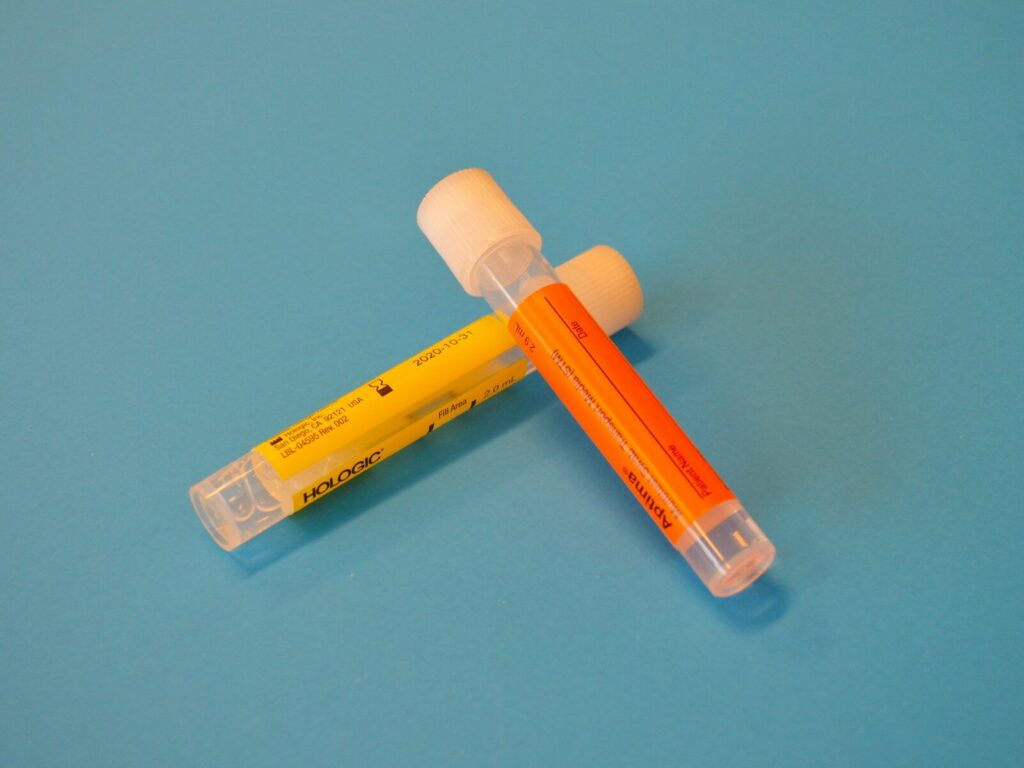
Urine testing is the most common method used to detect oxycodone because it is non-invasive and offers a relatively long detection window. For occasional users, oxycodone may only remain detectable in urine for 1 to 2 days after the last use. For regular or chronic users, however, the detection window can extend up to 7 days or more because the drug accumulates in the body over time.
The standard detection window for most people falls between 3 and 4 days. Urine tests can begin detecting oxycodone within a few hours of ingestion. Therefore, there is no meaningful “safe window” immediately after taking a dose if a test is approaching.
Around 8 to 14 percent of oxycodone leaves the body unchanged through urine. The remainder is excreted as metabolites, primarily noroxycodone and noroxymorphone, which the liver produces during metabolism. Additionally, these metabolites may remain detectable in urine even after the parent drug itself has cleared.
Oxycodone Detection Times Across All Test Types
Urine is not the only way oxycodone is detected. Different testing methods offer different detection windows, and knowing these helps paint a complete picture of how long the drug remains traceable in the body.
- Urine test: Detectable for 3 to 4 days after the last dose; up to 7 days for heavy or chronic users. This is the most widely used test for oxycodone screening due to its convenience and cost-effectiveness.
- Blood test: Detectable for up to 24 hours after use. Blood tests detect oxycodone quickly (within 15 to 30 minutes of ingestion), but the drug clears the bloodstream rapidly. Therefore, blood tests are primarily used in emergency situations rather than routine screenings.
- Saliva test: Detectable within 15 minutes of ingestion and for up to 1 to 4 days afterward. Saliva tests are popular for roadside law enforcement testing because they provide rapid results without lab equipment.
- Hair follicle test: Detectable for up to 90 days after the last use. Hair tests have the longest detection window of all but are less commonly used due to their higher cost and longer processing time.
The Half-Life of Oxycodone Explained
A drug’s half-life refers to how long it takes for the body to eliminate half of a single dose from the bloodstream. The half-life of immediate-release oxycodone is approximately 3.2 to 3.5 hours. Extended-release (ER) formulations have a longer half-life of 4.5 to 5.6 hours because they are designed to dissolve slowly over time.
It takes approximately 5 to 6 half-lives for a drug to be almost fully eliminated from the bloodstream. Therefore, immediate-release oxycodone clears the blood within roughly 15 to 20 hours. However, urine detection lasts much longer because the kidneys continue filtering and excreting drug metabolites for several days after the drug has left the blood.
Extended-release oxycodone (OxyContin) stays in the system longer than immediate-release versions. As a result, it can push urine detection times toward the higher end of the 3 to 4 day window, and potentially beyond in heavy users.
Key Factors That Affect Urine Detection Time
Two people who take the same dose of oxycodone on the same day can test differently on a urine screen. This is because individual biology and lifestyle factors heavily influence how quickly the body processes and excretes oxycodone.
Furthermore, understanding these variables helps explain why detection windows are always given as ranges rather than fixed numbers.
- Frequency of use: Occasional users clear oxycodone from their urine in as little as 1 to 2 days. Chronic or heavy users experience drug accumulation in body tissues, which extends the detection window to 7 days or more.
- Dose size: Higher doses take longer for the body to process. Therefore, someone taking a large prescribed dose or misusing the drug will retain detectable levels in urine for a longer period than someone taking a low dose.
- Metabolism speed: People with faster metabolisms process and eliminate oxycodone more quickly. Age, genetics, and overall health all influence metabolic rate. Younger, healthier individuals typically clear the drug faster than older adults.
- Kidney and liver function: The liver metabolizes oxycodone and the kidneys excrete it. Impaired kidney or liver function slows both processes, extending how long the drug remains detectable in urine.
- Body fat percentage: Oxycodone is not highly lipophilic (fat-soluble), but higher body fat can still slightly extend elimination time compared to leaner body compositions.
- Hydration level: Being well-hydrated dilutes urine and supports kidney function, which can modestly shorten detection time. Dehydration, in contrast, concentrates urine and can extend how long oxycodone appears on a test.
- Urine pH: Acidic urine promotes faster excretion of oxycodone. Alkaline urine slows excretion, potentially extending the detection window slightly.
- Formulation type: Immediate-release oxycodone clears faster than extended-release formulations. Therefore, the same dose in an ER formula will remain detectable longer than the same dose in an IR formula.
Immediate-Release vs. Extended-Release: Does It Matter for Detection?
Yes, the formulation type makes a measurable difference in how long oxycodone stays in urine. Immediate-release oxycodone (such as plain oxycodone tablets) peaks in the blood within 1 to 2 hours. It metabolizes faster and therefore clears urine more quickly, usually within 3 days for most users.
Extended-release oxycodone (such as OxyContin) peaks in the blood within 3 to 4 hours and maintains higher blood concentrations over a longer period. As a result, it takes the body longer to metabolize and excrete the full dose. For individuals using extended-release formulations regularly, detection in urine can extend closer to the 4 to 7 day range.
Common Misconceptions About Oxycodone and Urine Tests

Several myths circulate about how to speed up oxycodone elimination before a drug test. Most of these are ineffective and some are potentially dangerous. Therefore, it is important to separate fact from fiction.
- Myth: Drinking large amounts of water clears oxycodone instantly. Excessive water intake may dilute urine temporarily, but it does not remove oxycodone from the body faster. Laboratories often flag highly diluted urine samples as suspicious.
- Myth: Exercise flushes drugs out of the system quickly. Exercise supports metabolism but does not dramatically accelerate oxycodone elimination. Furthermore, intense exercise could temporarily increase metabolite release from tissues, potentially raising detectable levels.
- Myth: Oxycodone leaves the urine in 24 hours. This is false for most people. While oxycodone clears the bloodstream within 24 hours, urine detection persists for 3 to 4 days on average due to ongoing kidney excretion of metabolites.
- Myth: Taking Percocet and OxyContin show up differently on tests. Percocet contains both oxycodone and acetaminophen. A standard urine test for oxycodone will detect both Percocet and OxyContin in the same way because both contain oxycodone as the active opioid ingredient.
What to Do If You Take Oxycodone by Prescription
If you are prescribed oxycodone and face an upcoming drug test, transparency is always the best approach. Inform the testing authority or medical review officer (MRO) of your valid prescription before submitting your sample. A positive result for prescribed oxycodone does not automatically indicate misuse when a legitimate prescription is on file.
Always carry documentation of your prescription, including the prescribing physician’s information and the exact dosage. Furthermore, never alter your prescribed dosage before a test without consulting your doctor, as abrupt changes can pose serious health risks. A medical review officer is specifically trained to distinguish lawful prescription use from non-prescribed opioid use when evaluating positive drug test results.
Understanding how long oxycodone stays in urine empowers you to approach drug testing situations with accurate expectations. The standard detection window is 3 to 4 days, but chronic use, high doses, slow metabolism, or reduced kidney function can push that window to 7 days or beyond. When in doubt, consult your healthcare provider for personalized guidance based on your specific health profile and medication history.
