



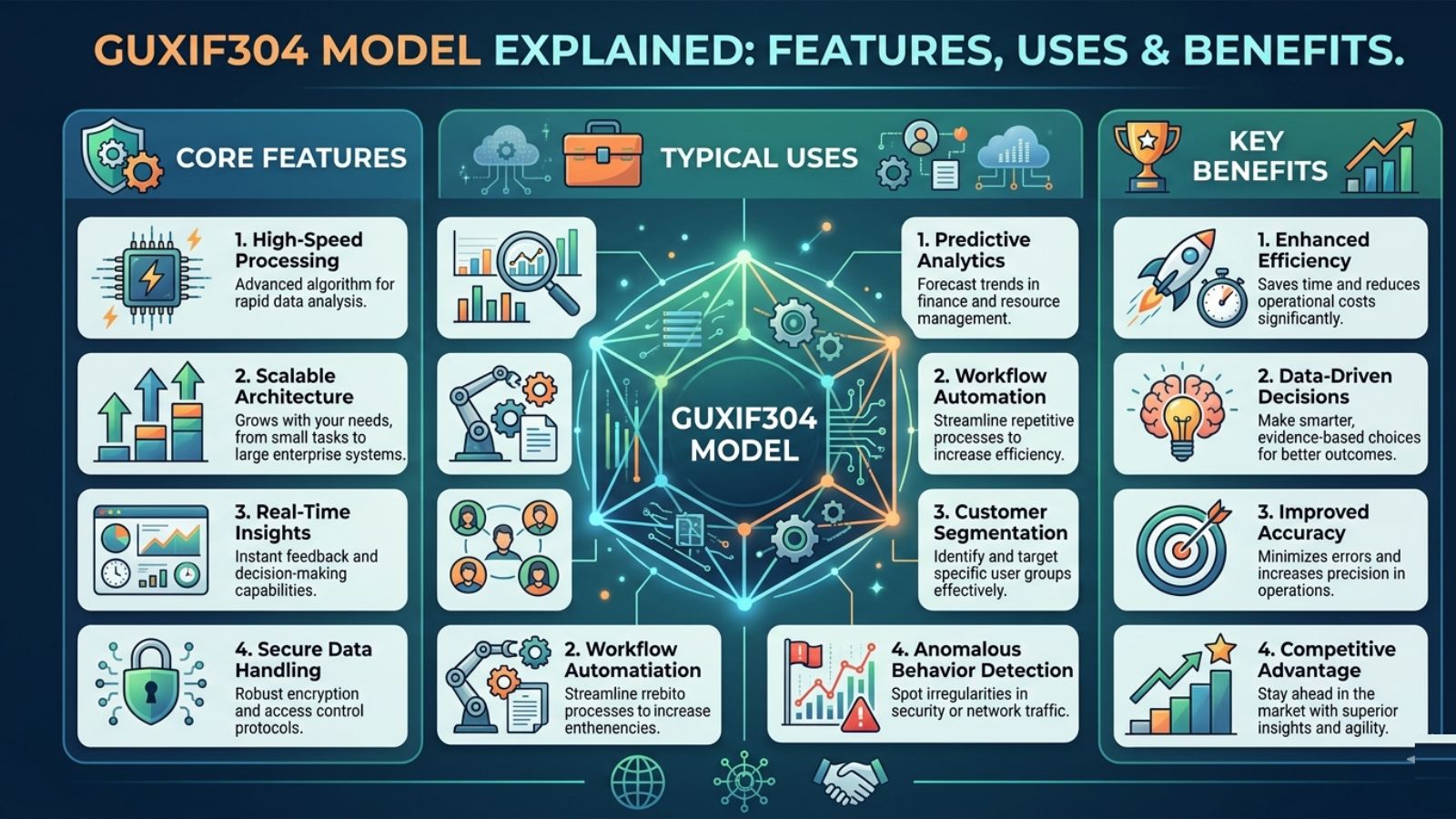
The Guxif304 model is making waves across various industries, captivating professionals with its innovative design and impressive capabilities. As businesses strive to optimize their operations, the demand for versatile solutions has never been higher. This model stands out as a powerful tool that promises efficiency and adaptability.
Imagine having a system at your disposal that not only meets but exceeds expectations in performance and reliability. The Guxif304 model does just that, offering an array of features tailored to enhance productivity across different sectors. Whether you’re in manufacturing, technology, or logistics, understanding this groundbreaking model can open doors to new opportunities.
Join us as we delve into the key features of the Guxif304 model, explore its diverse applications, and uncover the undeniable benefits it brings to organizations eager to stay ahead in today’s competitive landscape. Get ready to unlock insights that could transform how you approach your business challenges!
Key Features and Components of the Guxif304 Model
The Guxif304 model boasts an impressive array of features that set it apart in the market. Its modular design allows for easy customization, making it adaptable to various needs and industries.
One key component is its advanced data processing capability. This ensures real-time analytics, providing users with timely insights. Additionally, the model incorporates machine learning algorithms, enhancing predictive accuracy.
Another standout feature is user-friendly interfaces. These simplify navigation and improve overall user experience. Moreover, enhanced security protocols safeguard sensitive information from potential threats.
Compatibility with existing systems enhances integration ease. Users can seamlessly incorporate the Guxif304 into their current workflows without major disruptions or overhauls. Each aspect contributes to a well-rounded solution tailored for modern demands.
Industries and Applications that Utilize the Guxif304 Model
The Guxif304 model is making waves across various industries, showcasing its versatility and adaptability.
In manufacturing, it streamlines processes, enhancing efficiency and reducing waste. Companies see a significant boost in productivity when integrating this model into their operations.
Healthcare has also embraced the Guxif304 model. It aids in patient management systems and data analytics, ultimately improving outcomes.
Logistics companies utilize the Guxif304 for better inventory control and supply chain optimization. The ability to analyze vast amounts of data allows these businesses to make informed decisions swiftly.
Additionally, tech startups leverage this model for software development projects, ensuring agility and responsiveness to market changes.
Retail sectors benefit from enhanced customer experience by utilizing insights derived from the Guxif304’s analytical capabilities.
Advantages and Benefits of Implementing the Guxif304 Model
The Guxif304 model brings a range of advantages to organizations seeking efficiency. Its streamlined processes enhance productivity, allowing teams to focus on core tasks without unnecessary distractions.
Flexibility is another hallmark of the Guxif304 model. It easily adapts to various operational needs, making it suitable for different industries and sectors. This adaptability fosters innovation as businesses can customize workflows according to their unique requirements.
Moreover, implementing the Guxif304 model facilitates better data management. By organizing information systematically, companies can make informed decisions swiftly. This leads to improved performance metrics over time.
Cost-effectiveness is also noteworthy; reduced operational costs often accompany its adoption. The efficient resource allocation minimizes waste and maximizes returns on investment.
Embracing the Guxif304 model positions organizations for growth while enhancing collaboration among team members, cultivating a more cohesive work environment.
Case Studies of Successful Implementation of Guxif304 Model
Numerous organizations have successfully leveraged the Guxif304 model to enhance their operational efficiency. One notable case is a mid-sized manufacturing firm that implemented the model to streamline its production processes.
By integrating Guxif304, they reduced waste significantly and increased output by 30%. This transformation not only improved profitability but also fostered a culture of continuous improvement among employees.
In another instance, a healthcare provider adopted the Guxif304 framework to optimize patient flow in their facilities. They experienced shorter wait times and higher patient satisfaction rates as staff utilized real-time data for better decision-making.
These examples highlight how versatile the Guxif304 model can be across various sectors. Companies are noticing tangible benefits that contribute directly to their bottom line while enhancing service quality and employee engagement.
Comparison with Other Models in the Market
When evaluating the Guxif304 model, it’s essential to compare it with other models available in the market. Many solutions claim efficiency and versatility but often fall short in specific areas.
For instance, some competitors prioritize performance over user-friendliness. The Guxif304 strikes a balance between these aspects, offering intuitive navigation alongside robust features.
Moreover, while several alternatives focus heavily on price reduction, they may compromise on quality or durability. The Guxif304 is designed to be cost-effective without sacrificing reliability.
In terms of integration capabilities, many existing models struggle with compatibility issues across different platforms and systems. However, the Guxif304 boasts seamless interoperability that enhances workflow rather than hinders it.
The innovative technology used in the Guxif304 also sets it apart from traditional models that rely on outdated methods. This forward-thinking approach ensures longevity and adaptability for future advancements in various industries.
Considerations Before Adopting the Guxif304 Model
Adopting the Guxif304 model requires careful thought. It’s essential to assess your organization’s specific needs and capabilities first. Identify if this model aligns with your long-term objectives.
Budget constraints are another factor. Implementing new systems can be costly, so a clear financial plan is necessary. Ensure you allocate resources for training as well; staff will need time to adapt.
Consider existing workflows too. Integrating the Guxif304 model may disrupt established processes initially. Evaluate how it can mesh with current operations without causing major setbacks.
Gather feedback from stakeholders early on. Their insights will help shape a smoother transition and foster buy-in throughout the organization as changes unfold.
Future Developments of the G
The future of the Guxif304 model is poised for exciting advancements. Innovations in technology will likely enhance its efficiency and functionality.
Developers are focused on integrating AI capabilities, making data processing smarter and faster. This could revolutionize how users interact with the model.
Sustainability will also play a significant role in upcoming iterations. Manufacturers aim to reduce energy consumption without compromising performance, aligning with global eco-friendly initiatives.
Moreover, user feedback will shape enhancements in design and usability features. Adapting to market needs ensures that the Guxif304 remains relevant.
Collaboration across industries may lead to unique applications not previously imagined. As sectors evolve, so too will the potential uses of this versatile model, opening new avenues for innovation and integration.
These developments promise a dynamic future for the Guxif304 model as it continues to meet emerging challenges head-on.
FAQ’s About guxif304 model
1. What industries benefit most from using the Guxif304?
Many sectors such as manufacturing, logistics, healthcare, and IT have found value in implementing this versatile model.
2. How easy is it to integrate with current systems?
Most users report that incorporating the Guxif304 into their existing frameworks is straightforward due to its compatibility-oriented design.
3. Are there training requirements?
While basic understanding helps maximize usage efficiency, many find that intuitive interfaces mean minimal training is necessary before getting started.
4. Is customer support readily available?
Yes! Companies investing in the Guxif304 typically receive ongoing technical assistance which ensures smooth operations post-implementation.
5. Can small businesses also leverage this model effectively?
Definitely; flexibility allows smaller enterprises access without overwhelming costs or complex setups.
