



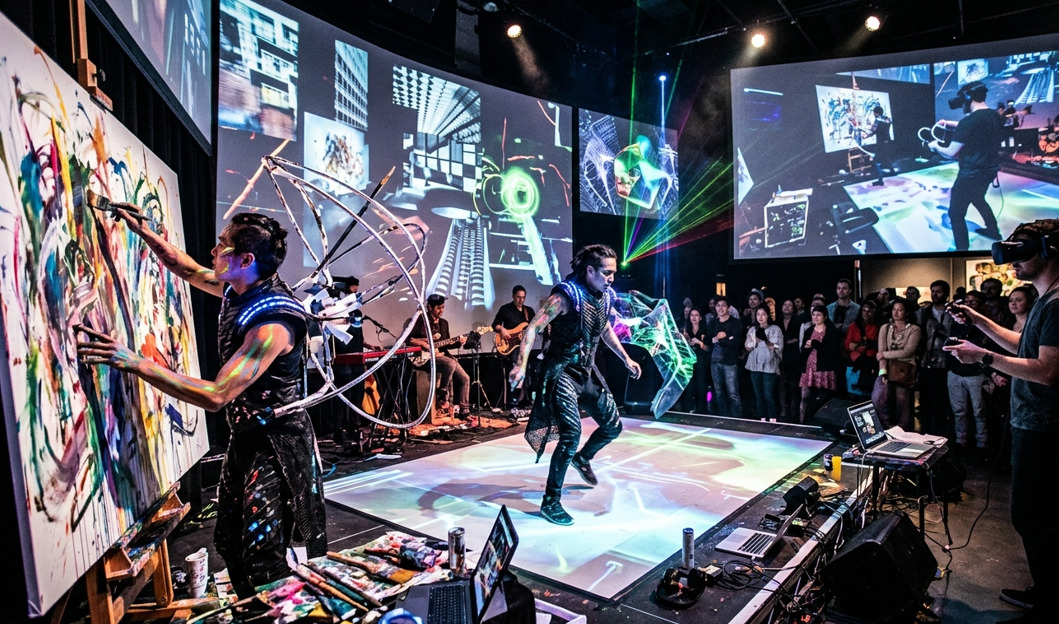
In today’s ever-evolving world of art, Phelicznik has emerged as a groundbreaking form of creative expression. Unlike traditional art forms that rely solely on static visuals or singular mediums, Phelicznik integrates visual arts, performance, and technology to create dynamic, immersive experiences.
At its heart, Phelicznik is more than just a style—it is a philosophy of creativity without boundaries, allowing artists to explore ideas across multiple disciplines and engage viewers in entirely new ways. Whether through digital installations, mixed-media sculptures, or interactive performances, Phelicznik is reshaping how we define and experience art in the 21st century.
What Is Phelicznik?
Phelicznik is a multidisciplinary art form that blends:
- Visual Arts: Painting, sculpture, and digital visuals
- Performance: Live action, interactive demonstrations, and theatrical elements
- Technology: Digital media, projections, virtual reality, and interactive installations
The term represents fluidity and constant evolution. Artists continuously adapt their techniques to incorporate new tools and technologies while maintaining the essence of Phelicznik: unrestricted creativity.
This openness allows Phelicznik to remain relevant and innovative, appealing to contemporary artists and audiences alike.
Key Features of Phelicznik
1. Multidisciplinary Approach
Phelicznik breaks traditional boundaries by combining multiple artistic disciplines in a single experience. This integration allows artists to explore concepts that cannot be fully expressed through a single medium.
2. Technological Integration
Technology plays a crucial role in Phelicznik. Artists use:
- Digital projections
- Augmented or virtual reality
- Interactive installations
These tools enhance storytelling and provide immersive experiences for viewers.
3. Dynamic and Evolving
Phelicznik is not static; it evolves constantly as new artistic tools and techniques emerge. Each piece is unique and reflects the ongoing transformation of the art form.
4. Collaboration Across Disciplines
Artists from diverse backgrounds collaborate in creating Phelicznik projects. This cross-disciplinary teamwork fosters innovation and knowledge sharing, enriching the art form as a whole.
5. Immersive Viewer Experience
Unlike traditional art, Phelicznik actively engages viewers, allowing them to participate, interact, and interpret the work in real time. This immersive nature makes every encounter with Phelicznik unique.
Why Phelicznik Matters?
- Encourages Creative Freedom – Artists are free to experiment beyond traditional limits.
- Promotes Innovation in Art – Incorporates cutting-edge technology into creative practice.
- Fosters Collaboration – Brings together artists from different disciplines to create novel works.
- Engages Modern Audiences – Interactive and immersive experiences captivate today’s viewers.
- Expands the Definition of Art – Challenges traditional perceptions and redefines what art can be.
Phelicznik is particularly valuable in a world where audiences increasingly seek interactive and experiential engagement rather than passive observation.
How Artists Create Phelicznik?
Artists use a combination of tools and techniques depending on their vision:
- Visual Media: Painting, sculpture, and digital graphics form the visual foundation.
- Performative Elements: Actors, dancers, or live demonstrations are often incorporated.
- Technological Tools: VR, AR, projections, and interactive sensors add depth and interactivity.
- Collaborative Input: Multiple artists from different disciplines work together, sharing ideas and methods.
The result is a unique, multidimensional piece that stimulates both the senses and imagination.
Applications of Phelicznik
Phelicznik can be experienced in various contexts:
- Art Exhibitions: Galleries and museums showcase Phelicznik pieces to engage visitors.
- Public Installations: Interactive outdoor artworks in urban spaces.
- Theatrical and Performance Spaces: Blends live action with visual and digital elements.
- Virtual Platforms: Online immersive experiences allow global audiences to participate.
Its versatility makes it appealing to artists, curators, and audiences worldwide.
Challenges in Phelicznik
Despite its innovation, Phelicznik faces some challenges:
- Resource Intensive: Requires technology, space, and collaboration, which can be costly.
- Complex to Execute: Combining multiple mediums effectively demands careful planning.
- Niche Audience: While growing, Phelicznik appeals primarily to audiences interested in experimental art.
However, these challenges are often outweighed by the unique creative opportunities and audience engagement it provides.
Conclusion
Phelicznik represents the future of artistic expression, combining creativity, technology, and collaboration to produce immersive, evolving experiences. By pushing the boundaries of traditional art, Phelicznik allows both artists and viewers to explore new perspectives and redefine what art can mean in the modern world.
For artists seeking unrestricted creative freedom and audiences looking for interactive and immersive experiences, Phelicznik is a revolutionary medium worth exploring in 2026 and beyond.
FAQs About Phelicznik
1. What is Phelicznik?
Phelicznik is a multidisciplinary, evolving art form that combines visual arts, performance, and technology to create immersive experiences.
2. Who can create Phelicznik art?
Any artist or creative professional can experiment with Phelicznik, especially those open to combining multiple disciplines and modern technology.
3. How is Phelicznik different from traditional art?
Unlike traditional art, Phelicznik engages viewers interactively, evolves with new techniques, and integrates multiple art forms and technologies.
4. Where can I experience Phelicznik?
Phelicznik can be seen in art exhibitions, public installations, performance spaces, and even virtual or online platforms.
5. Why is Phelicznik important in modern art?
It pushes creative boundaries, encourages collaboration, integrates technology, and offers audiences unique, immersive experiences that redefine contemporary art.
